
In Stock
Grafted Hibiscus Plant
$ 2.57
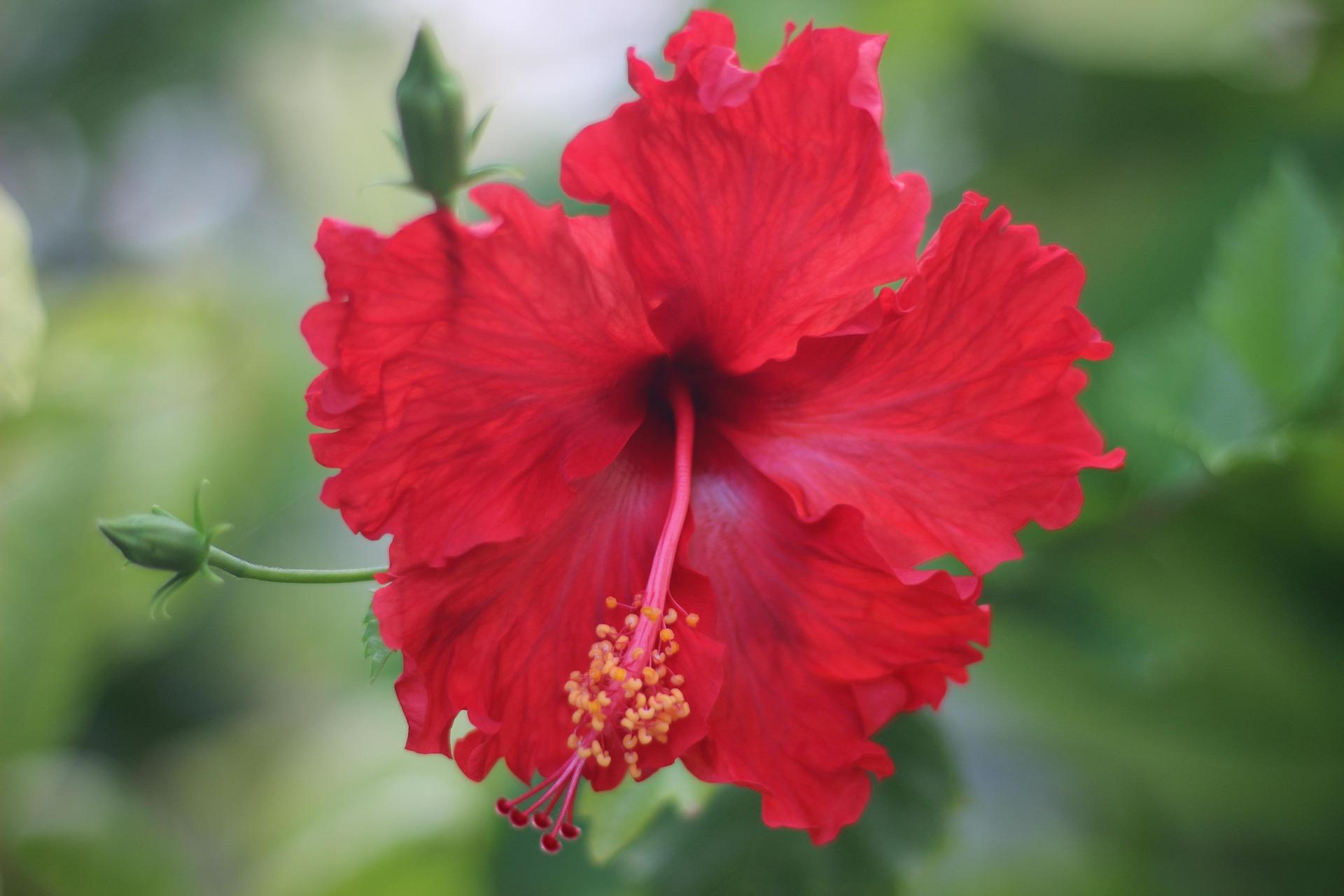
Grafted Hibiscus The Multicolored Wonder of Tropical Gardens: Grafted Hibiscus A hybrid decorative plant created by grafting several hibiscus cultivars onto a single rootstock is known as the Grafted Hibiscus Plant. This approach improves a plant’s vigor, resistance, and blossom quality while enabling it to produce flowers of various colors or shapes, resulting in a stunning visual presentation. Grafted hibiscus plants are popular in tropical and subtropical environments because of their huge trumpet-shaped blooms, continuous blooming, and diverse color palette, which may frequently be seen on the same plant. In addition to its aesthetic advantages, grafting enhances the plant’s growth rate and disease resistance. Plant Summary Scientific Name: Hibiscus rosa-sinensis (grafted varieties) Malvaceae is the family. Evergreen blooming bush type Height: 3–8 feet (may be trained to be higher) Range: 3-6 feet Leaves: ovate, glossy, dark green, and serrated. Flowers: Large, trumpet-shaped, with five overlapping petals; come in a variety of hues, from solid to mixed. Bloom Time: Throughout the year in warm climates; peak in the spring and fall In hibiscus, what does grafting mean? The horticultural method of grafting involves fusing a blooming hibiscus type (scion) with a hardy, disease-resistant rootstock. This makes it possible to: A plant with several different flower colors stronger roots Earlier blooming and quicker growth Resistance to illnesses spread via soil �� Grafted hibiscus, sometimes marketed as “”multi-color hibiscus,”” can have three to five different kinds on a single rootstock, producing spectacular flowers. Climate and Sunshine Needs Sunlight: For best blooms, it needs direct sunlight for six to eight hours every day. Although it may flower less, it can withstand some shade. Temperature: 20–35°C (68–95°F) is ideal. Bring inside when the temperature drops below 10°C (50°F), since frost is not tolerated. Humidity: Flourishes in medium to high humidity The perfect choice for balconies, sun-drenched terraces, and tropical gardens. �� Irrigation Schedule Young plants (0–6 months): Water twice or three times each week Maintain a consistently moist, but not soaked, soil condition. Plants That Are Established: Depending on the weather, water deeply once or twice a week. Watering should be reduced during the winter or during rainy weather. Waterlogging should be avoided. Hibiscus plants don’t like “”wet feet,”” but they also wilt quickly in dry soil. Soil Needs Kind: Well-draining sandy or loamy soil is preferred. For a better texture, use coconut coir or organic compost. pH: Between mildly acidic and neutral (6.0–7.0) A combination of good drainage and high organic content results in healthy root development and colorful blooms. Fertilizing Schedule From Spring to Fall (Active Growth): Use a balanced liquid or granular fertilizer (NPK 10-10-10 or 10-20-10) to feed every 2–4 weeks. For larger, longer-lasting blossoms, use a bloom booster. Winter: Fertilizing should be reduced or stopped. �� Iron deficiency can cause yellowing leaves, which can be remedied with foliar micronutrient spraying. ✂️ Pruning and upkeep When to Prune: The end of winter or the beginning of spring before any new growth Pruning Instructions: To encourage bushiness, cut back one-third of the plant. To maintain hybrid characteristics, get rid of any shoots or suckers that sprout up below the graft site. Removing flowers: To promote continuous blooming, regularly take out dead blooms. Take care to prune in such a way that none of the grafted scions are removed. Pests and illnesses Typical Pests: Aphids Whiteflies Mites of spiders mealybugs Illnesses: Leaf spots Overwatering can cause root rot. Powdery mildew in humid environments Maintain adequate airflow and use neem oil and insecticidal soap. �� Uses and Allure of Landscaping Best for: sample plants in pots or garden beds vibrant hedges or borders outdoor patios, balconies, or landscaping by the pool Recommendation for Design: For a contrast of colors, use with blue Plumbago, white Jasmine, or yellow Tecoma. For a layered look, mix in pots with trailing plants. With its multicolored blossoms that appear to originate from a single enchanted shrub, the grafted hibiscus makes for an eye-catching focal point. ✅ Summary The Grafted Hibiscus Plant is a vibrant, low-maintenance showstopper that produces a variety of flower colors, greater strength, and quicker growth than conventional hibiscus plants. It’s ideal for pots or warm, sunny gardens, and it brings nonstop tropical flair with minimal upkeep. This live bouquet will bring delight, pollinators, and a wow factor to your environment, regardless of whether you are a novice gardener, a landscape architect, or a garden lover.”